Study with Nick
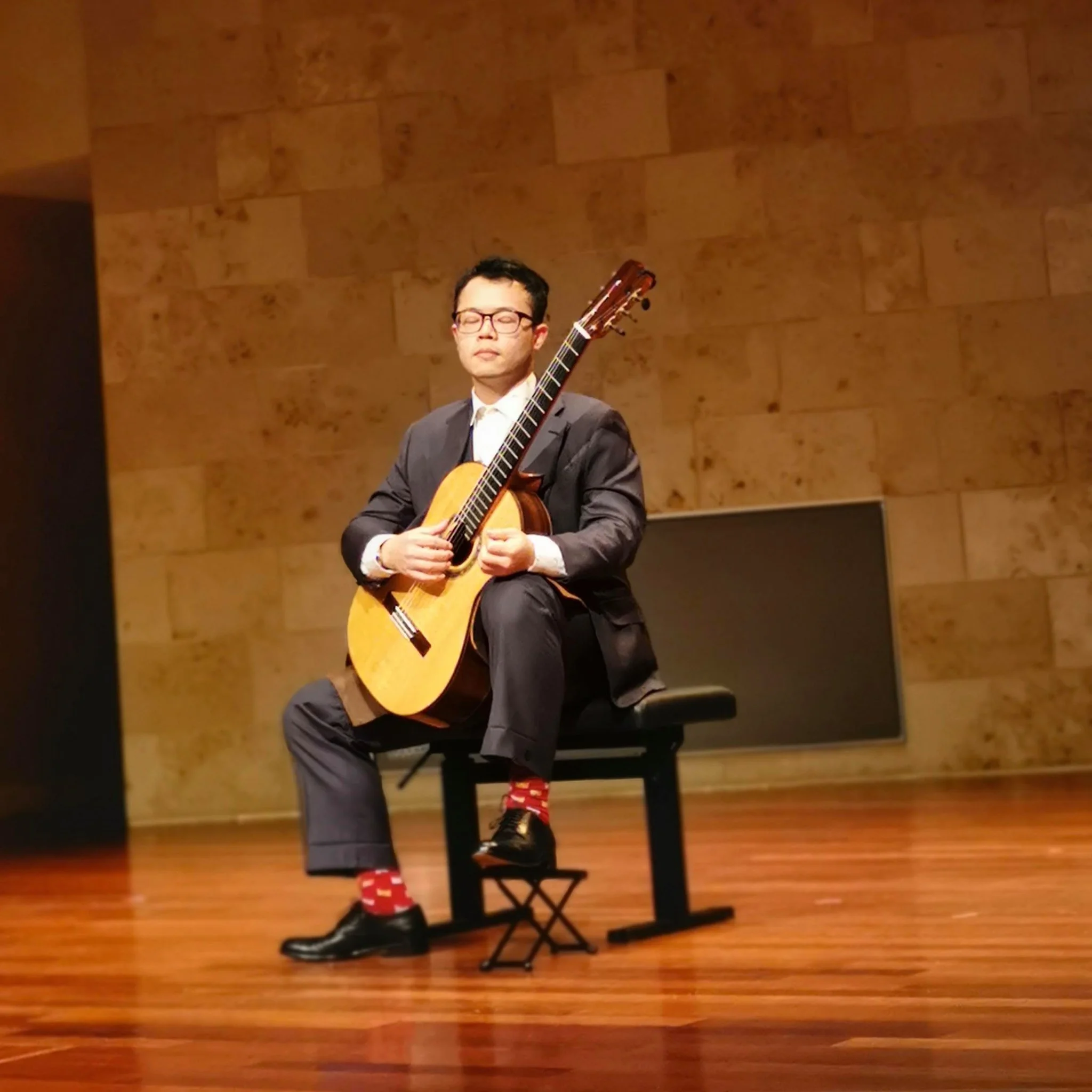
Weekly Repeated Lessons
$60-70
per Hourly Lesson
*Rates vary depending on if the instructor is traveling.
*Lock in your rates indefinitely!
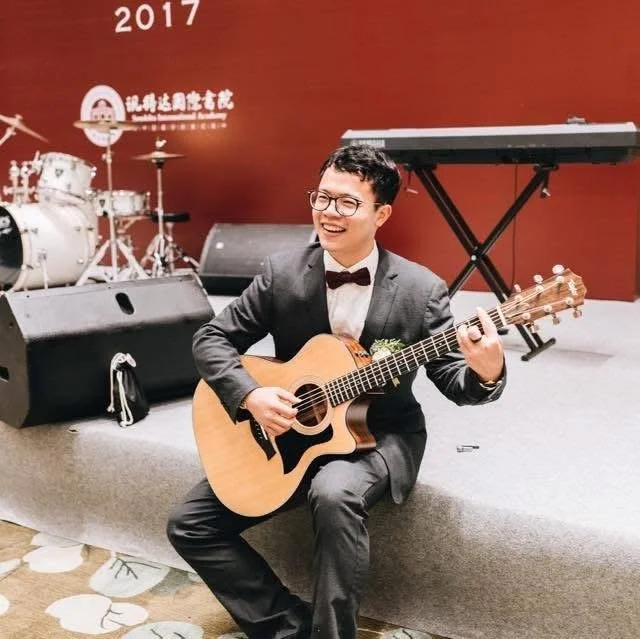
Single Lessons
$70-80
per Hourly Lesson
*Rates vary depending on if the instructor is traveling.
*Get my instructions whenever you want, whenever you need!
Nick Liu
Nick Liu is an award-winning classical guitarist and scholar, recently recognized as the Third Prize Winner at the 2025 Boston International Guitar Competition. A graduate of the San Francisco Conservatory of Music (BM ’21, MM ’23), Nick graduated with a distinguished 3.96 GPA, reflecting a deep commitment to both performance excellence and historical research.
His repertoire is expansive, spanning the intricate counterpoint of the Renaissance and Baroque eras to the virtuosic, "Paganini-esque" showpieces of the Romantic period. Whether performing operatic bel canto transcriptions, rhythmic South American works, or avant-garde experimental music, Nick brings a scholarly depth and technical precision to every genre. He is an avid proponent of new music and is constantly seeking to expand the guitar’s horizons through fresh collaborations and commissions.

Philosophies
-
My philosophy of music education is centered on the belief that discipline must always serve passion. While not every student will pursue a professional performing career, every individual should conclude their studies with the same curiosity and desire to explore music independently that they started with. I strive to cultivate this enduring internal motivation, ensuring that a student’s "spark" is never extinguished by premature technical demands or rigid standards.
The primary goal of my instruction is to nurture the student's intrinsic motivation by tailoring the curriculum to their temperament, interests, and stage of development.
I. Student-Centered Pedagogical Approach
My teaching method is founded on individualized engagement and fostering an open, adaptive relationship with the student:
Individualized Development: I meet every student exactly where they are, treating all levels with equal respect and focusing on the individual rather than a "one-for-all" standard. I set realistic, customized steps for technical and musical progress, recognizing that rushing into difficult pieces only disadvantages long-term growth.
The Teacher as Continuous Learner: I approach teaching with an open mind, acknowledging the vast differences in students’ physical make-up (hand size, nail shape), learning styles, and unique musical attributes. An accomplished musician knows what works for them; a dedicated teacher must observe and find what works best for the student.
Preserving the Passion: It is paramount to preserve the student’s love for music and avoid comparison with peers. A student’s current level only represents their position right now; maintaining their passion ensures they possess the desire and capability to work at and enjoy music for the rest of their lives.
II. Fundamental Instrumental Principles
These core principles are integrated into every lesson to build comprehensive musicianship, technical mastery, and physical health:
Vocal Guidance: Music is a natural, expressive language. Singing is crucial for instrumentalists to avoid falling into instrument-specific technical "rabbit holes." Students are trained to use their inner voice as a guide, encouraging them to perform the music exactly as they would sing it to connect emotional intent directly to sound production.
The Importance of the Nail: I regard the guitarist’s nail as comparable to a violinist’s bow—it is the source of tone, volume, and projection. I teach detailed, sensitive nail shaping and maintenance techniques using simple tools (files, sandpaper) as an essential, high-impact component of tone production.
Musician as Athlete (Warm-Up Routine): To be a performing musician is to be an artist, a scholar, and an athlete. I require students to establish a consistent warm-up routine to ensure effective performance and injury prevention. These routines are designed to be sufficient for maintaining technique even when time for repertoire practice is limited.
-
As a music educator and former international student, I am deeply committed to cultivating a learning environment that is safe, equitable, and affirming for every student and colleague. I view diversity—encompassing ethnicity, cultural background, socioeconomic status, sexual orientation, language, and musical genre interest—as essential to the richness of a conservatory setting. I pledge to actively contribute to a culture defined by respect, kindness, and open dialogue.
I. Fostering an Inclusive and Safe Environment
Creating a non-judgmental space is fundamental to effective learning. My commitment to inclusion is upheld by the following actions:
Active Listening and Non-Assumption: I adhere to the principle of "Always ask, never assume." I prioritize empathetic communication and actively seek to understand the circumstances, obstacles, or challenges a student may be facing, creating a safe space for them to share at their comfort level.
Encouraging Productive Mistakes: I foster an environment where learning from mistakes is valued over avoiding them. Students should feel safe to take risks, ask questions, and be open about their musical or life troubles.
Mandated Reporting and Privacy: I will fully respect student privacy and personal boundaries. I understand and will fully abide by my institutional duties as a mandated reporter while maintaining discretion, ensuring that personal details are shared only if the student consents or if required by law.
II. Cultural and Musical Pluralism
Music education must transcend boundaries, recognizing the global nature of both the art form and the student body.
Respect for All Genres and Cultures: I believe music has no inherent boundaries. All musical backgrounds, interests, cultures, and genres will be appreciated and respected in my studio. Music serves as a powerful medium for global connection and expression.
Linguistic and Idiomatic Sensitivity: As an individual fluent in both English and Chinese, I am acutely aware that different language idioms can lead to misunderstandings. I will remain open-minded and patient, ensuring clear communication by asking for clarification if a student’s expression is confusing or unintentionally misunderstood.
III. Promoting Equity in Access and Opportunity
Equity ensures that every individual has the support needed to succeed, regardless of their starting point.
Tailored Support for Growth: I recognize that students do not all start with the same resources or opportunities. I am committed to fostering equity by never treating students differently based on their background. Instead, I will provide tailored support, encouragement, and resources necessary to close any gaps and ensure every student has the full opportunity to shine.
Supporting Underrepresented Students: I will actively seek out and support students from underserved and underrepresented communities, recognizing their potential and providing the mentorship and advocacy required for continued progress and success in music.